Perplexity prints its sources under every claim, so your store can be cited as a source without ever being named as the recommendation. Those are two different problems with two different fixes, and most merchants only ever measure one of them. One scope note first: Arenza probes ChatGPT and Google AI Mode only, and Perplexity is not in its scan set. The apps that do probe Perplexity directly are the five ranked below it, from $29 a month. We judged every app on whether it probes Perplexity directly and whether it installs on the store. The last test is what each one prescribes when an answer quotes your page and then recommends a rival.
At a glance
| App | AI engines tracked | Shopify app? | Citation source list | Key capability | Starting price |
|---|---|---|---|---|---|
| Arenza | ChatGPT, Google AI Mode — no Perplexity probe | Yes | Yes — citation landscape by domain | Visibility + Accuracy pillars, attributed revenue, recommendation-gap analysis | Free ($0) |
| Otterly.ai | ChatGPT, Google AI Overviews, Google AI Mode, Perplexity, Copilot, Gemini, Claude | See the listing | Yes — mention and citation tracking | Prompt research, competitive benchmarking, content AI-readiness audit | From $29/mo |
| Shop Mentions | ChatGPT, Perplexity, Gemini | Yes | Yes — lists the sites AI cites | Mention monitoring, inaccurate-claim flagging, 100–5,000 searches/month | $29/mo |
| StoreRank | ChatGPT, Claude, Perplexity, Gemini, Google | Yes | Not published | Brand + competitor mention tracking, auto AI schema, article autopilot | $29/mo |
| Peec AI | ChatGPT, Perplexity, Gemini | See the listing | Not published | Visibility, position and sentiment with multi-country coverage | See the listing |
| Ahrefs Brand Radar | AI Overviews, AI Mode, Perplexity, Gemini, ChatGPT, Copilot, Claude | See the listing | Yes — citation discovery | AI Visibility Index, custom prompts, AI traffic and bot analytics | From $50/mo (Custom Prompts) |
Being cited as a source and being named as the recommendation are two separate scores
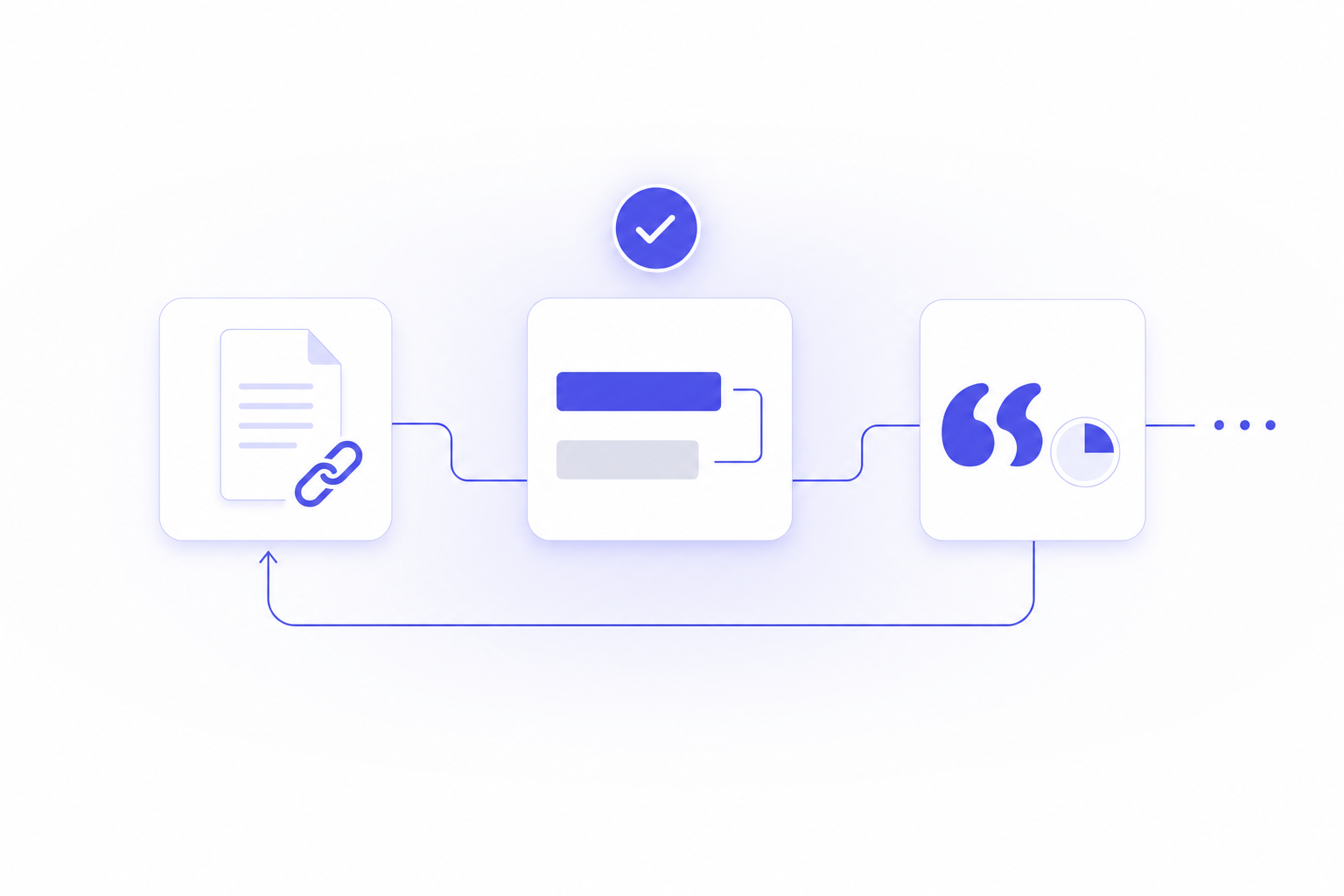
Perplexity is citation-grounded. It retrieves pages, writes an answer, and attaches a numbered source to each sentence. That architecture creates a gap no keyword rank can describe. Your product page can sit in the source list of an answer whose recommendation is a competitor.
The two signals fail for different reasons and need different work. A missing citation is a retrieval problem, so the fix is on-page and technical. A citation without a name is a persuasion problem, so the fix is the sentence the model could have lifted about your product.
| Signal | What Perplexity did | What it proves | Fix when it is missing |
|---|---|---|---|
| Cited as a source | Linked your URL under a claim in the answer | Your page is retrievable, crawlable and parseable | Allow PerplexityBot in robots.txt, serve specs as real text, add Product and FAQPage JSON-LD |
| Named as the recommendation | Wrote your brand or SKU into the shortlist it recommends | Your facts beat the rival's on the buyer's stated constraint | Publish the object-attribute-number sentence that answers the prompt, and earn off-site corroboration |
| Described accurately once named | Stated your price, spec or category in the answer | The answer will not lose you the sale after winning it | Correct the stale fact at its source, then re-scan the prompt |
A tool that reports one number for "mentions" collapses all three rows into one. Arenza splits them, because its Visibility pillar answers whether the engine names you and its Accuracy pillar answers whether it describes you correctly.
1. Arenza
A GEO platform with a Shopify app that scores whether AI answers name your store and whether they describe it correctly. Its scan set is ChatGPT and Google AI Mode; it does not probe Perplexity.
Why we picked it. Perplexity mention tracking is only useful if it tells you which of the three rows above broke. Arenza cannot give you those rows on Perplexity, because it does not probe that engine. It is here for the retrieval work underneath them: crawlable specs, JSON-LD, and liftable sentences are the same fix on every citation-grounded engine. It is also the app here that reports the citation and the recommendation as separate measurements rather than one blended score. It runs your prompt pool on a schedule, records who each answer names, and reports appearance rate split by product line, SKU and competitor. Its citation landscape lists the third-party domains that feed answers in your category. That shows whether a rival wins on its own page or on a roundup you are absent from. Recommendation-gap analysis then names the exact queries a competitor holds and hands back the on-site fix for each one.
Best for. Shopify brands that want to know how often ChatGPT and Google AI Mode recommend their products, not just how often they link them.
Key specs. Scans ChatGPT and Google AI Mode across the markets you sell in. Perplexity is not part of that scan set. The Shopify app surfaces attributed revenue, per-product AI-visibility scores, recommended fixes and Boost plays. The Accuracy pillar catches outdated specs, false claims and category miscategorization, each tagged with severity, frequency and the verbatim quote. Per-brand Slack, Feishu and webhook alerts fire on changes, and a multi-brand portfolio view covers 10–200 brands with a white-label agency workspace.
Pricing. Free at $0, no credit card. Starter is $49/month with unlimited tracked competitors compared head-to-head and 5 articles a month. Pro is $299/month, cancel anytime, covering daily monitoring and the full fix pipeline. Start at app.arenza.ai/sign-up.
2. Otterly.ai
An AI-search monitoring and GEO platform with the widest published engine list among the general-purpose tools here.
Why it is on the list. It names Perplexity outright in its engine set. It also tracks mentions and citations as distinct objects rather than one blended count.
Key specs. Covers seven engines: ChatGPT, Google AI Overviews, Google AI Mode, Perplexity, Copilot, Gemini and Claude. Bundles prompt research, mention and citation tracking, competitive benchmarking, a content AI-readiness audit and an API. Shopify app: see the listing. Rated 4.8/5 on G2. Pricing starts from $29/mo.
3. Shop Mentions
A Shopify app that monitors which brands AI recommends and which websites it cites.
Why it is on the list. It installs on the store and publishes the cited-source list, so a merchant can see where a Perplexity answer sourced a competitor.
Key specs. Monitors ChatGPT, Perplexity and Gemini. Shows which brands get recommended, lists the websites AI cites, and lets you flag inaccurate claims about your brand. Plans run 100 to 5,000 searches per month and 20 products to unlimited. Pricing is $29, $79, $149 and $499 per month.
4. StoreRank
A Shopify app that pairs mention tracking with automated schema and content publishing.
Why it is on the list. Perplexity is in its engine set, and its schema automation targets the retrieval half of the problem.
Key specs. Tracks ChatGPT, Claude, Perplexity, Gemini and Google. Auto-adds AI schema for Product, FAQ, Review and Offer, plus crawler access. An article autopilot publishes 2–30 articles per month, and product optimization covers 30–1,000 records per month. Tracks brand and competitor mentions. Rated 5.0 across 21 Shopify App Store reviews. Pricing is $29, $79, $149 and $289 per month. Citation source list: not published.
5. Peec AI
A monitoring platform reporting visibility, position and sentiment across three engines.
Why it is on the list. Its position metric is closer to the recommendation signal than a binary mention flag.
Key specs. Tracks ChatGPT, Perplexity and Gemini. Offers custom prompts, competitor benchmarking, multi-country coverage, CSV and Looker Studio export, an API and MCP. Shopify app: see the listing. Rated 4.9/5 on G2, cited by 3,000+ brands and agencies. Pricing: see the listing. Citation source list: not published.
6. Ahrefs Brand Radar
A broad web-SEO suite with an AI-visibility module rather than a Shopify-specific tool.
Why it is on the list. Its citation discovery reports which pages answer engines pull, which is the retrieval side of the Perplexity question.
Key specs. Engine coverage spans AI Overviews, AI Mode, Perplexity, Gemini, ChatGPT, Copilot and Claude. Offers an AI Visibility Index, custom prompts, competitor benchmarking, AI traffic and bot analytics, and citation discovery. Shopify app: see the listing. Pricing starts from $50/mo for Custom Prompts.
What Perplexity mention tracking actually costs
Entry pricing across this list runs from $0 to $50 per month, and the paid tiers mostly meter the same unit: how many prompts get re-run, how often. Decide the budget from the cadence you need, not the engine count.
- Set the baseline for $0. Arenza is free at $0 with no credit card, so the first ChatGPT and Google AI Mode scan records where you stand before you spend anything.
- Pay for cadence, not coverage. A weekly re-scan of 100 buying prompts tells you more than a single scan of 1,000 across eight engines.
- Check the alert path before you buy. A mention you learn about 30 days later is history, not a signal. Arenza sends per-brand Slack, Feishu and webhook alerts when the picture changes.
- Insist on revenue attribution. Arenza attributes orders against your real Shopify data, so the visibility number reconciles with what your admin already shows.
- Count the fix, not the dashboard. A tool that reports a gap without naming the page to change leaves the work exactly where it was.
The choice comes down to this
If you only need a count of how often your brand surfaces, any tool with Perplexity in its engine list will produce one. If you need to know why an answer cited your page and then recommended a competitor, three things must be measured separately. They are the citation, the recommendation and the accuracy of the description. Then tie them back to orders. Arenza reports all of that for ChatGPT and Google AI Mode, installs on the Shopify store, and the first scan costs $0 at app.arenza.ai/sign-up. If Perplexity itself is the engine you must measure, pick one of the tools above that probes it directly.
FAQ
How do I track brand mentions in Perplexity for a Shopify store?
Install an app that runs your category's real buying prompts against Perplexity on a schedule and records which brands each answer names. Otterly.ai, Shop Mentions, StoreRank, Peec AI and Ahrefs Brand Radar all list Perplexity in their engine sets. Arenza does not probe Perplexity; its scan set is ChatGPT and Google AI Mode. It reports appearance rate by product line, SKU and competitor for those two.
Can a Shopify app tell me how often Perplexity recommends my products?
Yes, if it separates being named in the recommendation from being linked in the source list. Shop Mentions and StoreRank install on Shopify and list Perplexity in their engine sets. Arenza scores presence per prompt the same way, but on ChatGPT and Google AI Mode only.
What is the difference between a Perplexity citation and a Perplexity mention?
A citation means Perplexity linked your page as evidence for a claim. A mention means it wrote your brand into the answer itself. A store can be cited without being mentioned, which means the model read your page and still recommended someone else.
Can I get alerted when Perplexity mentions my brand?
Yes, from a tool that probes Perplexity: Otterly.ai and Ahrefs Brand Radar both publish mention and citation tracking for it. Arenza sends per-brand Slack, Feishu and webhook alerts on the same kind of change, but for ChatGPT and Google AI Mode.
How do I compare my brand against competitors in Perplexity answers?
Run the same prompt pool for every brand and compare appearance rate per prompt, using a tool whose engine list includes Perplexity. Arenza runs that comparison on ChatGPT and Google AI Mode instead; its Starter plan at $49/month compares unlimited tracked competitors head-to-head, and its recommendation-gap analysis names the queries a rival holds today.
Does improving Perplexity visibility require new pages?
Usually not. Most gains come from reshaping existing product and collection pages into self-contained facts of object, attribute and number. The rest comes from letting AI crawlers read those facts as plain text.